

 23/04/2026
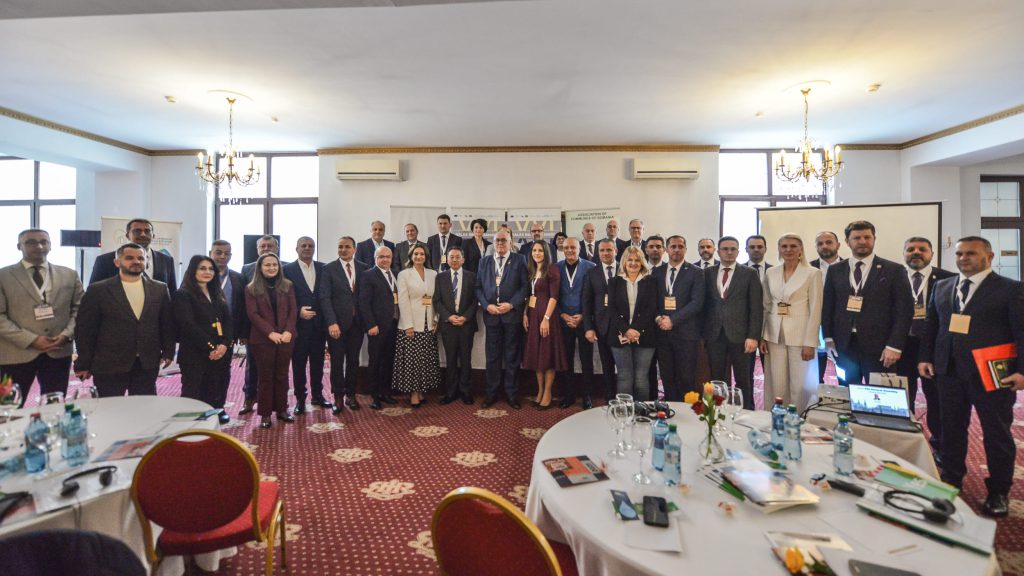
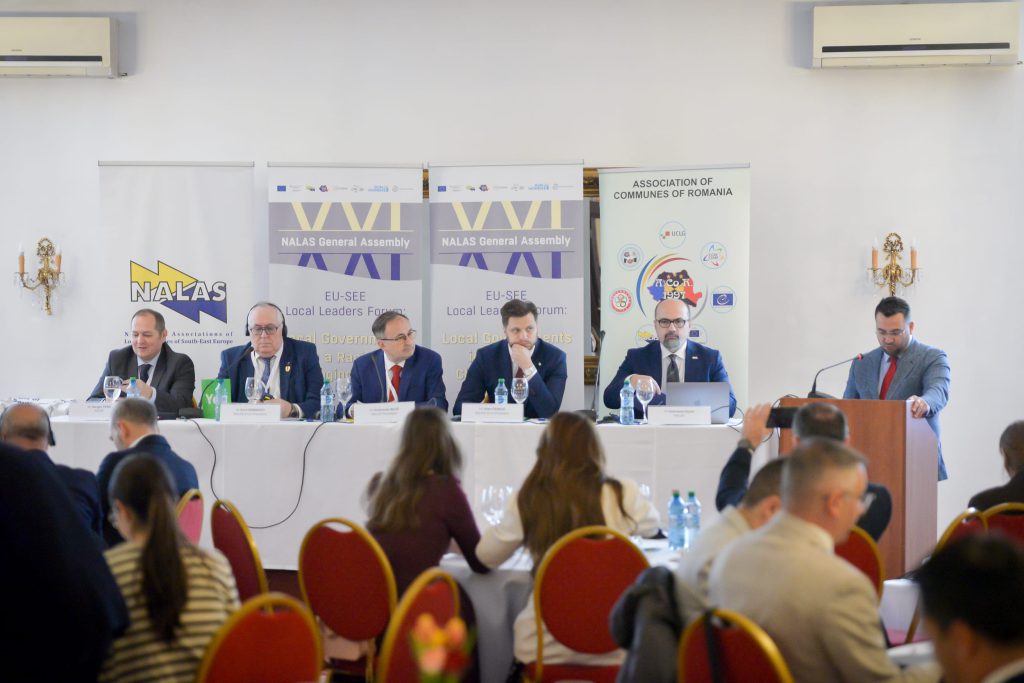
 From 20 to 22 April 2026, NALAS held its 21st General Assembly in Sibiu, Romania, under the theme “Local Governments in a Rapidly Changing Europe”, co-organised with the Association of Communes of Romania, ACoR. The event provided an important platform for dialogue on the future of local governance in a rapidly evolving Europe, regional cooperation, and the role of local governments in delivering tangible results for citizens.
The General Assembly opened with keynote addresses, starting with NALAS former President Mr. Dubravko BILIĆ, followed by Mr. Vlad-Alexandru VASIU, Vice-President of Sibiu County Council, Mr. Valentin-Dumitru-Ioan IVAN, Mayor of Sadu, Mr. Arslan UMUT ERGEZER, Deputy Secretary General of the Regional Cooperation Council, Mr. Yuan MINDAO, Vice President of the Chinese International Friendship Cities Association and Ms. Alba AGOLLI, Project Manager at UN Women.
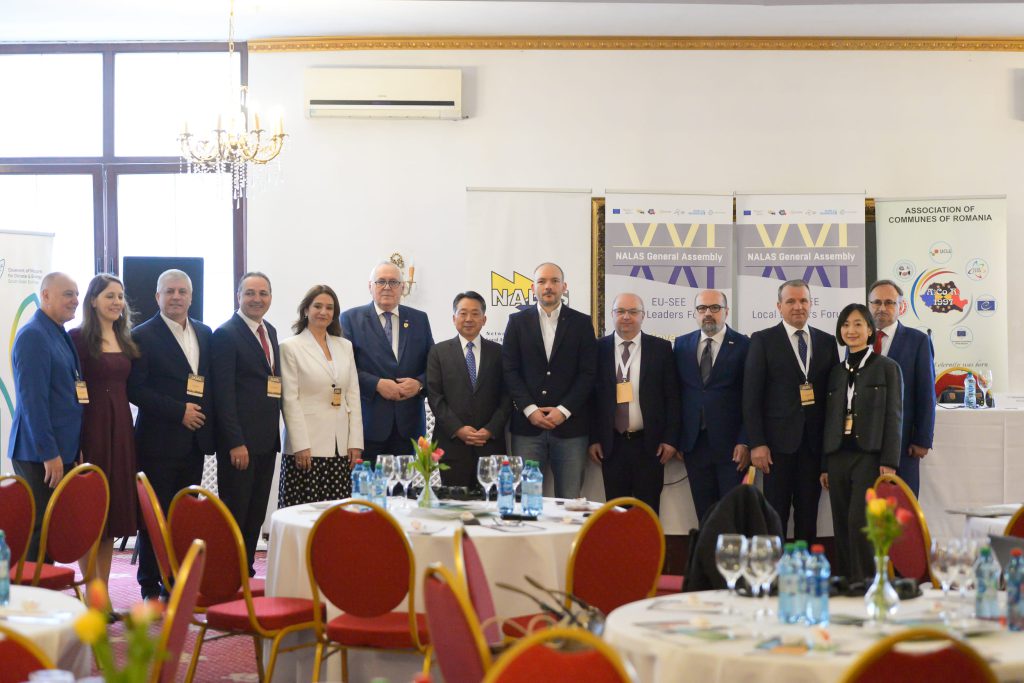
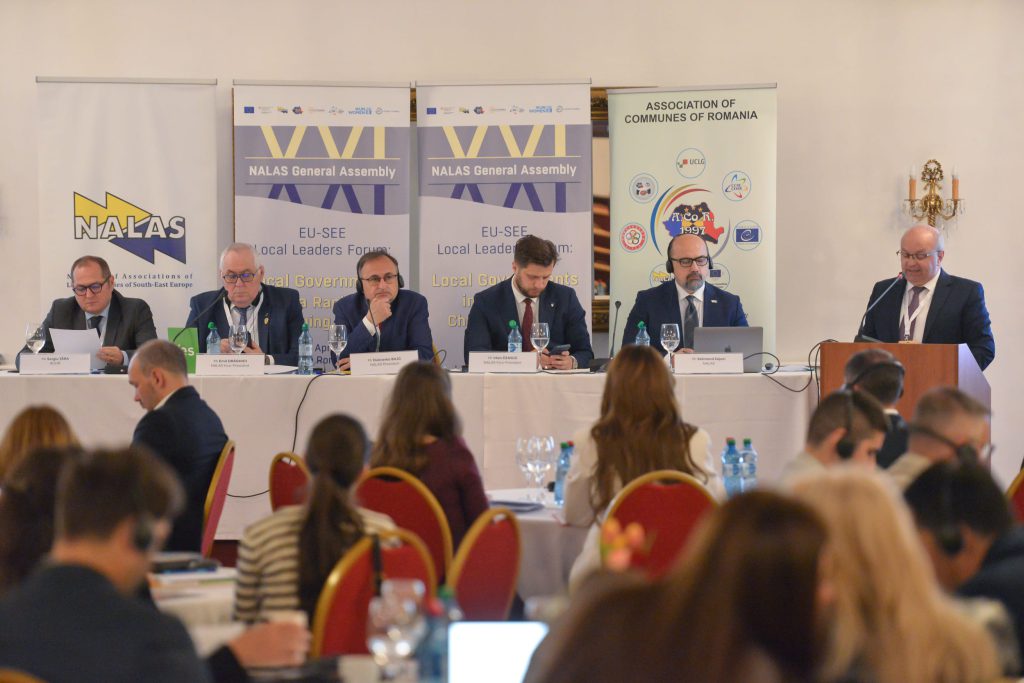
Speakers stressed that local governments are the closest level of governance to citizens and play a key role in building trust in democratic institutions. They underlined that action taken at the local level keeps democracy on the right path, while mayors remain the main contact point for citizens.
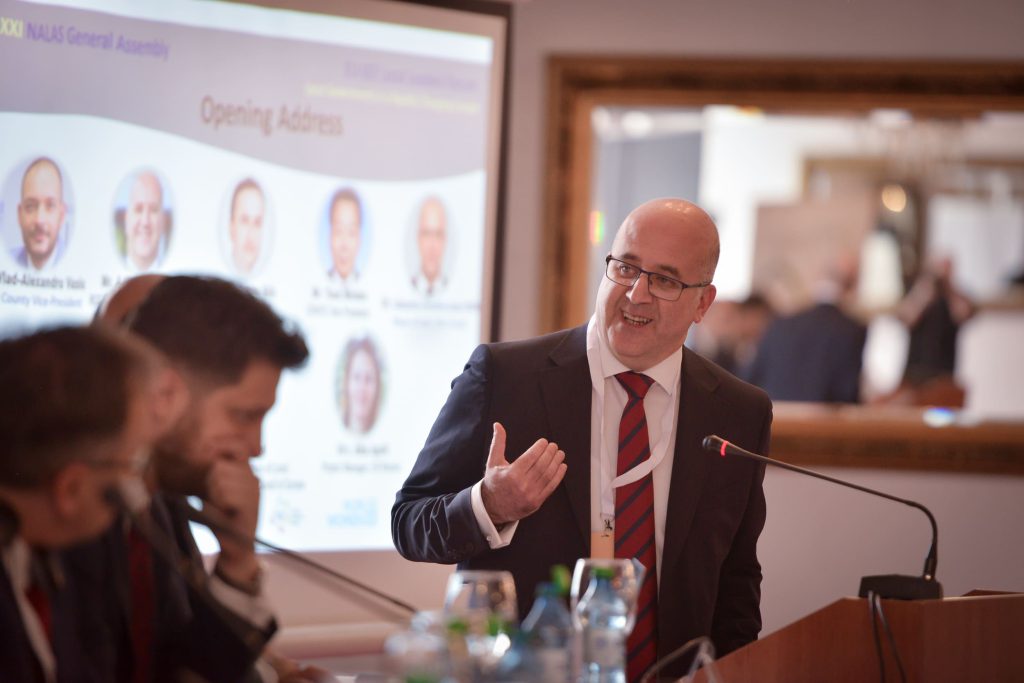
Participants also highlighted that local economy, infrastructure, health and education are essential for stronger and more resilient communities, together with strong cooperation among municipalities and associations such as NALAS.
Special attention was also given to inclusion and equal opportunities, especially for women and girls, since evidence shows that progress does not benefit everyone equally. The important role of local governments in ensuring that no one is left behind was also underlined.
From their video addresses, available below, Congress Secretary General Mr. Mathieu Mori highlighted the 20 years of cooperation between NALAS and the Congress through joint initiatives, capacity building, and political dialogue.
HE Ms. Ruth Huber, Ambassador of Switzerland to Albania, underlined the importance of NALAS and LGAs’ work in decentralisation and regional cooperation, recalling NALAS’ role as a trusted voice for local governments.
During the Statutory Session, NALAS members adopted the agenda, approved the 2025 activity and financial reports and adopted the 2026 NALAS workplan and budget. The Executive Director, Mr. Kelmend Zajazi, presented the main achievements of 2025, describing it as a very intensive year for the network.
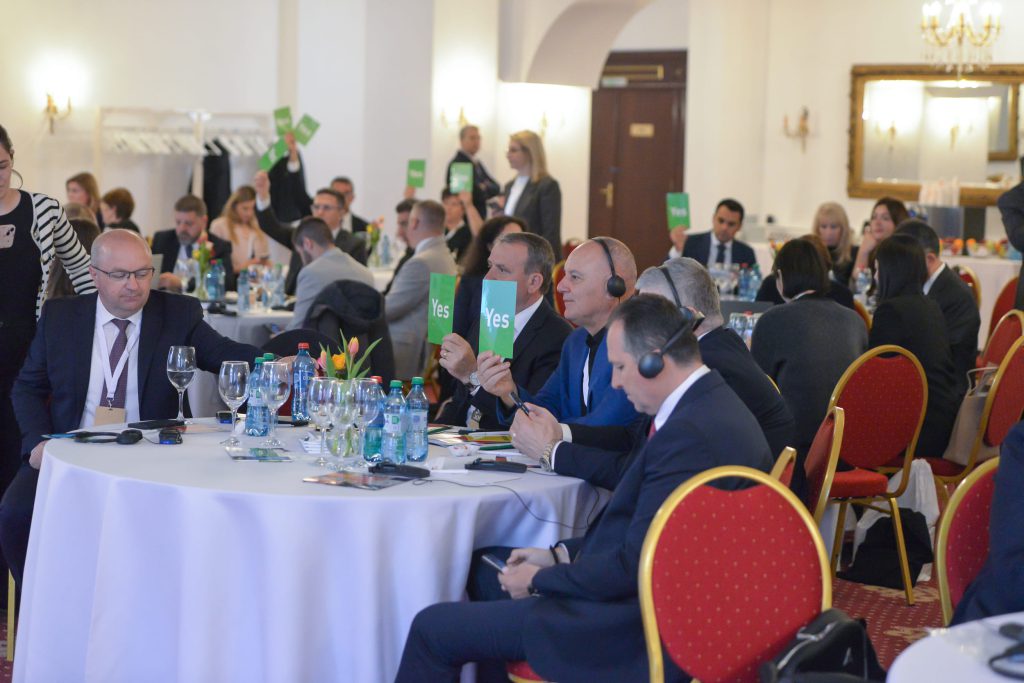
Among the highlights were strengthened knowledge management and peer exchange, capacity building for associations and municipalities, the development of training units through the RCDN project, strengthened relations with EU and international institutions, support for better delivery of social services, youth engagement for peace and stability, and increased cooperation with Ukrainian municipalities and associations. More than 3,200 mayors, local officials, and local administration representatives were involved in NALAS activities in 2025.
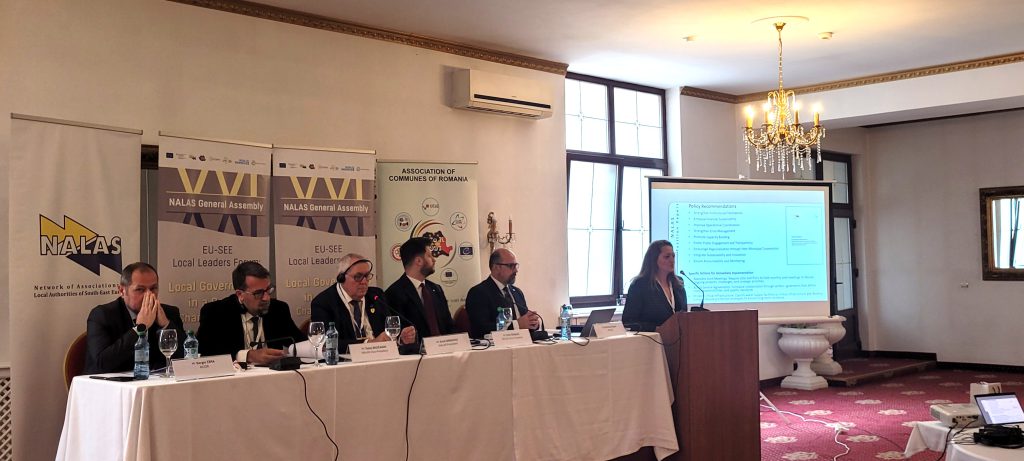
During the session, the General Assembly delegates also adopted the Policy Position on collaboration and communication between Local Governments and their Public Utility Companies in the provision of Water Supply and Sanitation (WSS) services, developed within the Regional Capacity Development Network for Water and Sanitation Services (RCDN) and through the work of the NALAS Task Force on Water Management. This policy position aims to strengthen cooperation and improve service delivery for citizens across the region.
The second Policy Position adopted was the one on “Strengthening the Role of Local Government Associations in Sustainable Urban Mobility Planning in South-East Europe”, providing a clear roadmap for the Local Government Associations in policy dialogue and cooperation with national institutions, supporting in development and implementation of national sustainable urban mobility support programs, local government capacity development, peer exchange, data collection monitoring and reporting and more.
A key moment of the General Assembly was the rotation of the NALAS Presidency. Following the NALAS presidency system, Mr. Emil DRĂGHICI, President of ACoR and Mayor of Vulcana-Băi, Romania, was elected as the new President of NALAS.
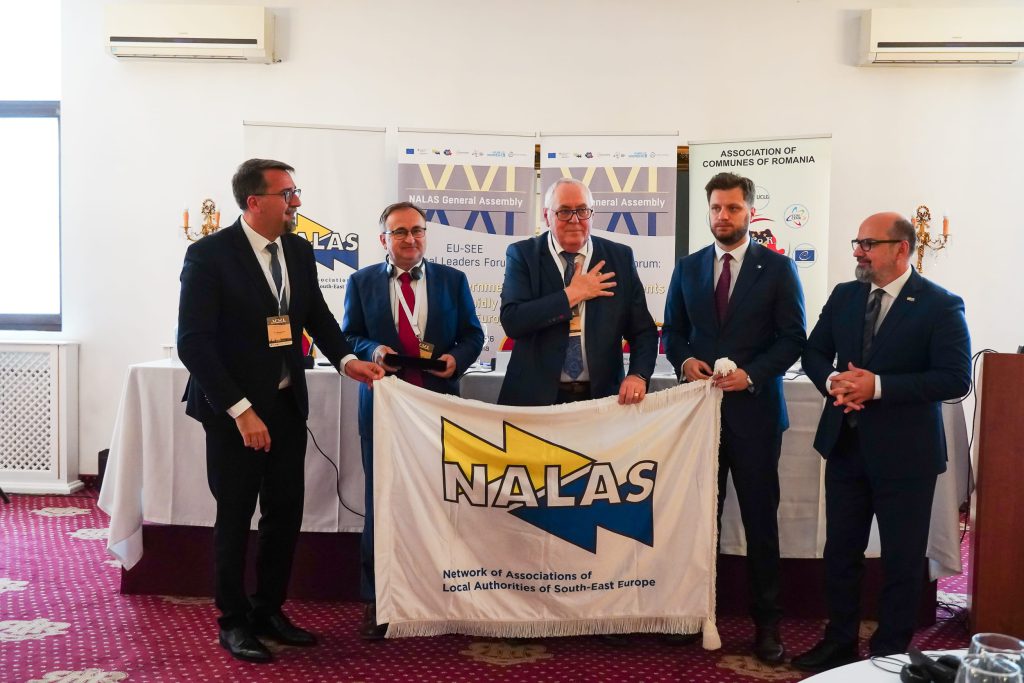
In his first address as President, Mr. Emil DRĂGHICI thanked Mr Dubravko BILIĆ for his successful leadership and expressed his commitment to continue strengthening cooperation among members and partners. He emphasised that the future must be built in villages and cities where tradition meets innovation and that stronger local governments are essential for stronger democracies.
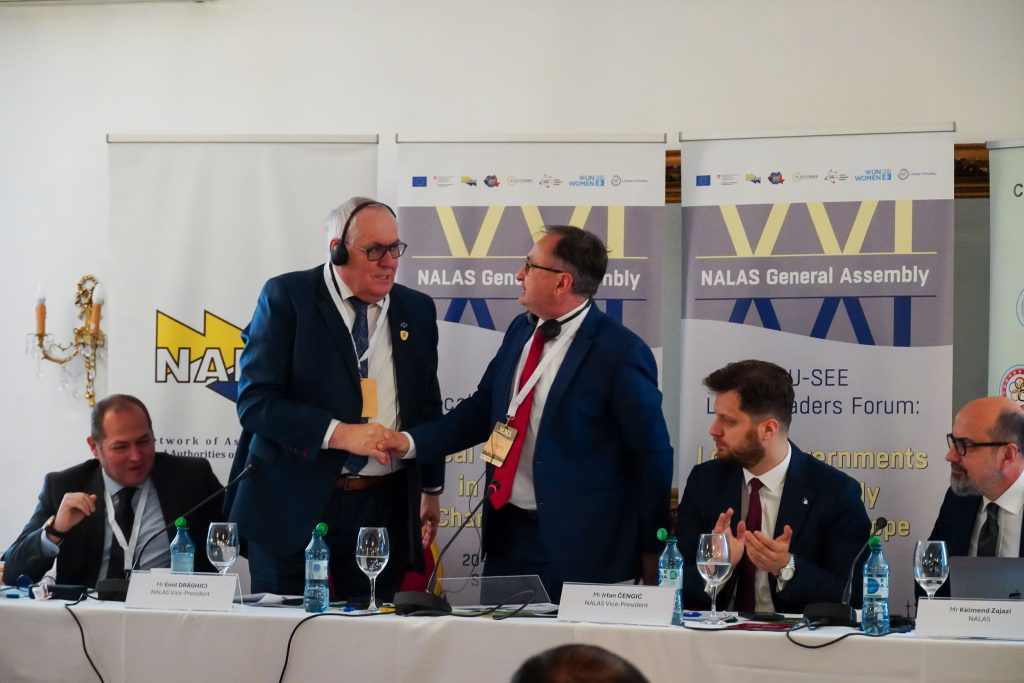
On the suggestion of the newly elected NALAS President, the General Assembly acknowledged the presence and welcomed the Chinese International Friendship Cities Association, opening possibilities to renew cooperation and strengthen exchange of experiences in local public services provision.
In the afternoon, the discussions continued with several sessions focused on the most pressing issues and challenges faced by local governments.
The session EU–EaP-SEE Local Leaders Forum: From EU Reforms to Local Results – Delivering Change Where It Matters, organised in collaboration with NALAS long-time partner CEMR, focused on how local governments SEE and EaP countries translate EU reforms into real improvements for citizens. Mayors from Romania, Slovenia, Moldova, Ukraine, and Montenegro shared concrete examples and strong messages, stressing that “the power is here, in us, in all associations”, and calling for stronger cooperation and stronger local voices in European processes.
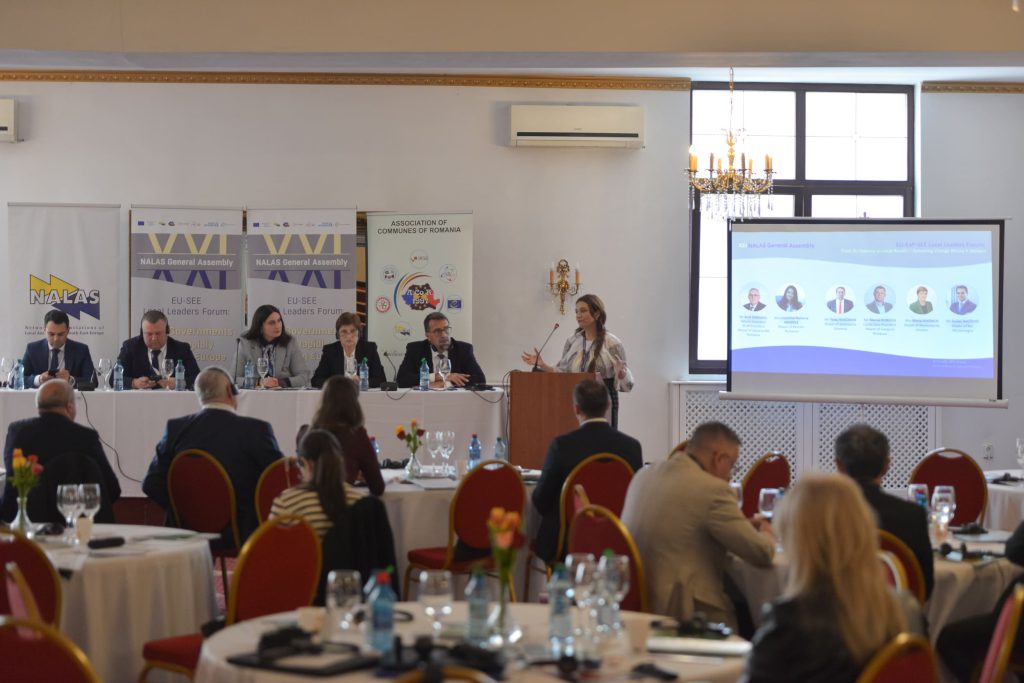
Speakers highlighted the importance of EU funds, territorial development, revitalisation of industrial zones, and equal access to opportunities for all municipalities.
Ukrainian representatives shared the challenges of decentralisation during wartime, stressing the need for stronger support mechanisms, co-financing, and pre-financing for municipalities participating in EU programmes.
The General Assembly also included an exchange of good practices among local elected leaders on youth and women empowerment and engendering circular economy in South-East Europe. The session highlighted how municipalities are turning these priorities into practical drivers of local economic development through concrete initiatives, partnerships, and policies that create more opportunities for young people and women while supporting sustainable resource management and local innovation.
The LGAs’ Peer Exchange on Territorial Reforms in Europe focused on lessons learned from reforms across the region and how future changes can better balance efficiency, local autonomy, and service delivery. Participants agreed that territorial reforms should not focus only on numbers, but also on the real needs of communities and citizens.
NALAS President Draghici stressed that even small municipalities with fewer inhabitants remain equally important, especially when they cover large territories, and that reforms should respect people’s will and not be implemented at the expense of citizens.
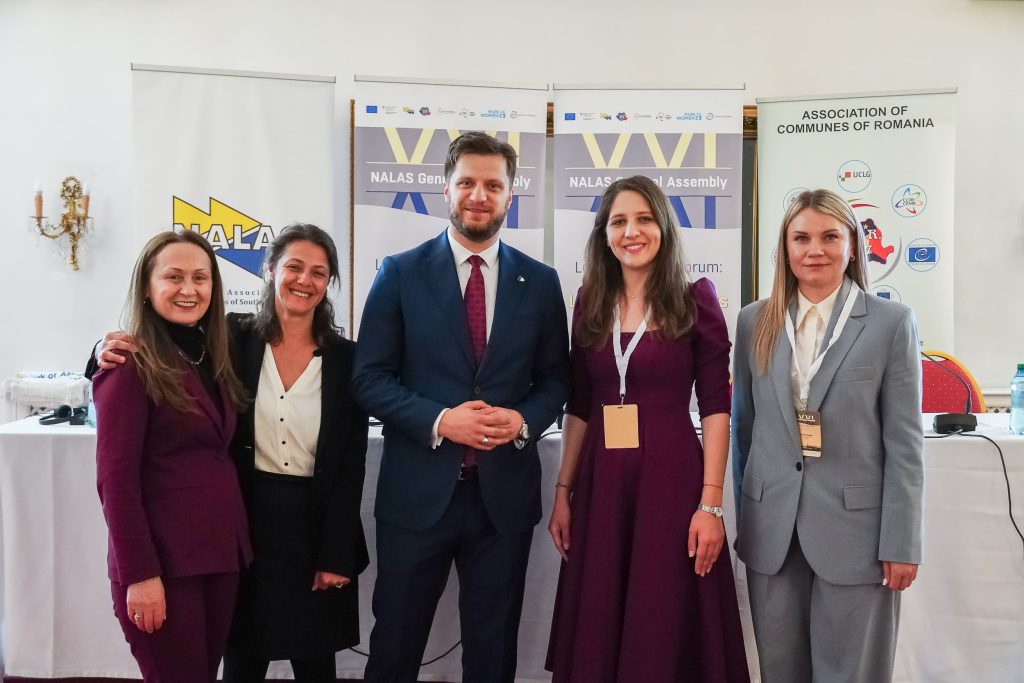
NALAS 21st General Assembly was organised in partnership with and with the support of ACoR – Association of Communes of Romania, the European Union, the Swiss Agency for Development and Cooperation (SDC), PLATFORMA, CEMR, UN Women, and EIT Urban Mobility.


